One Instrumentation Failure Can Shut Down an Entire Process
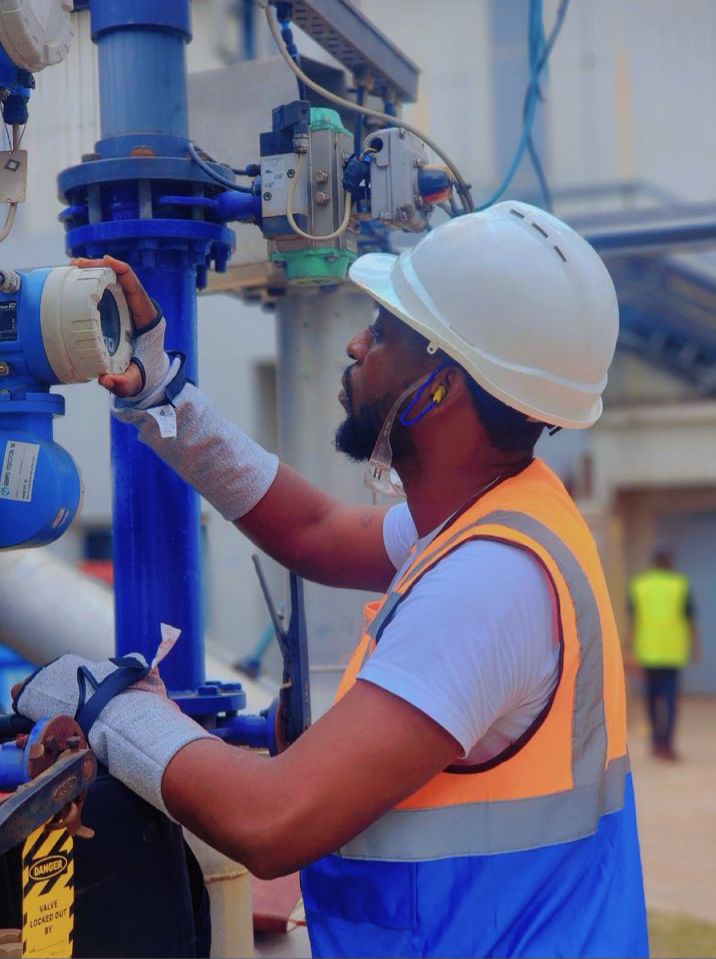
Industrial instrumentation failure prevention in Nigeria is not just a maintenance concern; it is a strategic operational priority.
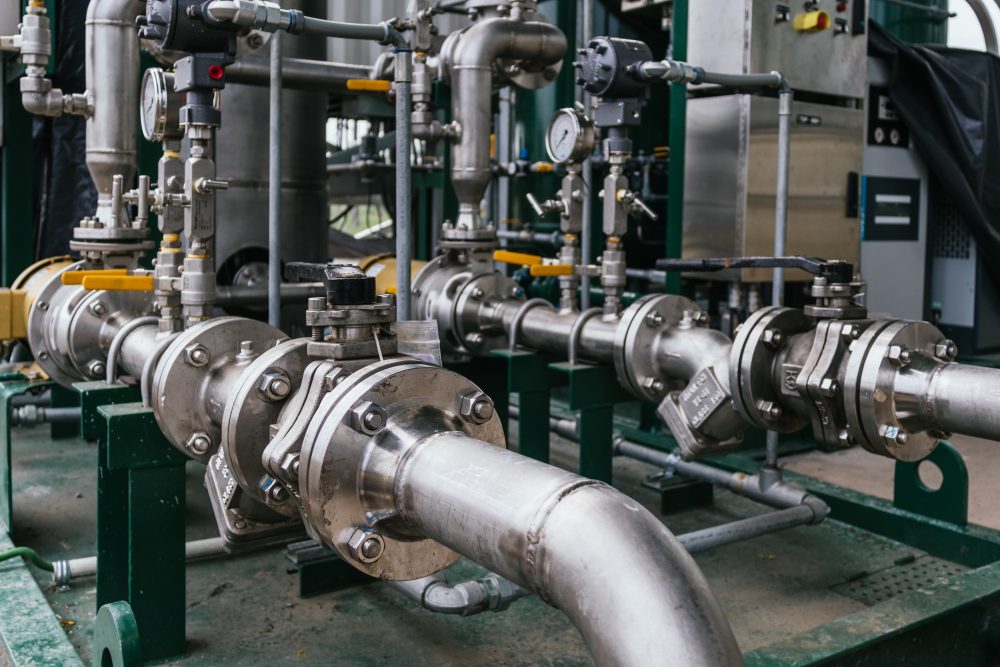
In modern refineries, manufacturing plants, and process facilities, instrumentation systems ensure accurate measurement of flowrate, temperature, pressure, viscosity, density, and level. When one critical sensor or transmitter fails, the impact can cascade across the entire operation.
From custody transfer errors to bulk metering discrepancies, a single instrumentation fault can compromise production, compliance, and revenue.
Why Instrumentation Is the Backbone of Process Stability
Industrial instrumentation includes:
-
Flowmeters for process flowrate and custody transfer
-
Radar and guided-wave level measurement systems
-
Temperature and pressure transmitters
-
Density and viscosity measurement devices
-
Dosing and metering systems
-
Analytical sensors
These instruments feed real-time data into PLC, SCADA, and DCS systems. When measurements drift outside specification, automated control logic reacts — sometimes triggering shutdowns.
In high-value production environments, inaccurate data is as dangerous as mechanical failure.
Common Causes of Instrumentation Failure
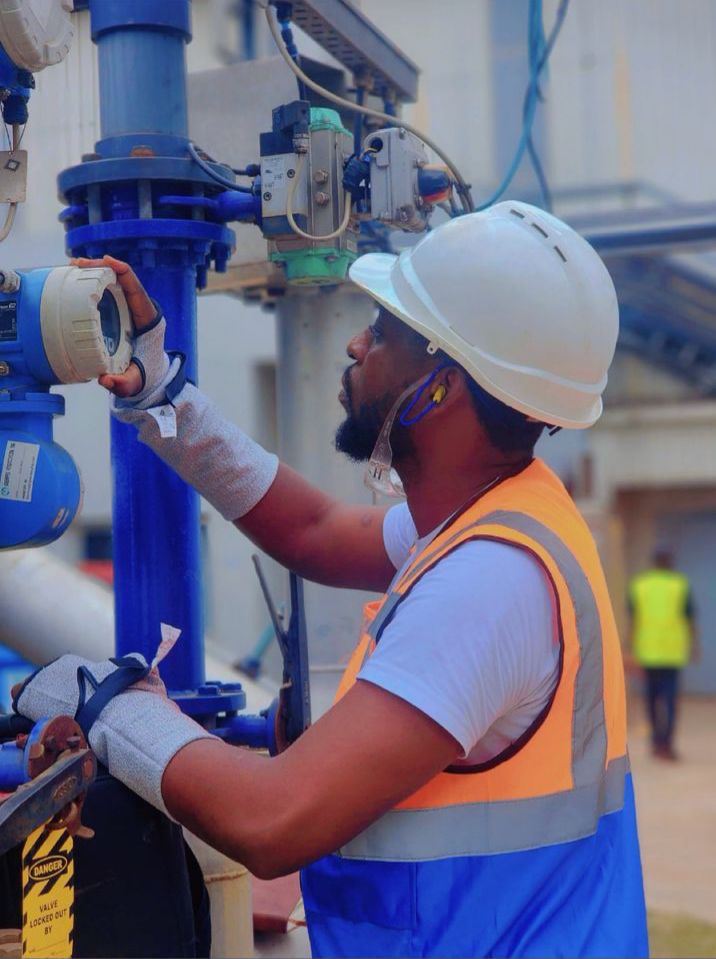
Even high-performance instruments, including solutions from manufacturers such as Endress+Hauser, operate under demanding conditions:
-
Thermal cycling affects temperature transmitters
-
Process buildup impacting radar level measurement
-
Vibration stress on flowmeters
-
Pressure spikes damage sensors
-
Incorrect calibration of custody transfer metering systems
-
Improper specification during plant upgrades
Over time, these stresses can result in drift, signal instability, or total failure.
Without structured instrumentation services and periodic verification, small inaccuracies evolve into major operational risks.
Structured Instrumentation Failure Prevention
Preventing industrial instrumentation failure requires a lifecycle approach:
-
Proper specification aligned with process conditions
-
OEM-certified installation
-
Periodic calibration using traceable standards
-
Verification of flow
-
rate, density, viscosity, and level measurement accuracy
-
Diagnostic trending and performance analysis
-
Criticality-based maintenance scheduling
Instrumentation should not be treated as peripheral hardware. It is core infrastructure.
Greenpeg: Industrial Instrumentation Company in Nigeria
As an instrumentation company in Nigeria, Greenpeg supports industrial facilities with:
-
Supply of OEM-certified sensors and transmitters
-
Flow measurement and custody transfer systems
-
Radar and level measurement solutions
-
Bulk metering and dosing system integration
-
Calibration and verification services
-
System integration with PLC, SCADA, and DCS platforms
We work with globally trusted manufacturers while delivering local engineering expertise tailored to Nigerian industrial environments.
Our focus is simple: ensure that every measurement — from temperature and flowrate to density and viscosity — remains accurate, defensible, and compliant.
Instead of asking whether an instrument is currently functioning, decision makers should ask:
Is our instrumentation system reliable enough to prevent process shutdown?
Because one instrumentation failure can shut down an entire process, but structured engineering can prevent it.