The Cost of Upgrading Refinery Plants in Nigeria| Automation & Instrumentation Experts
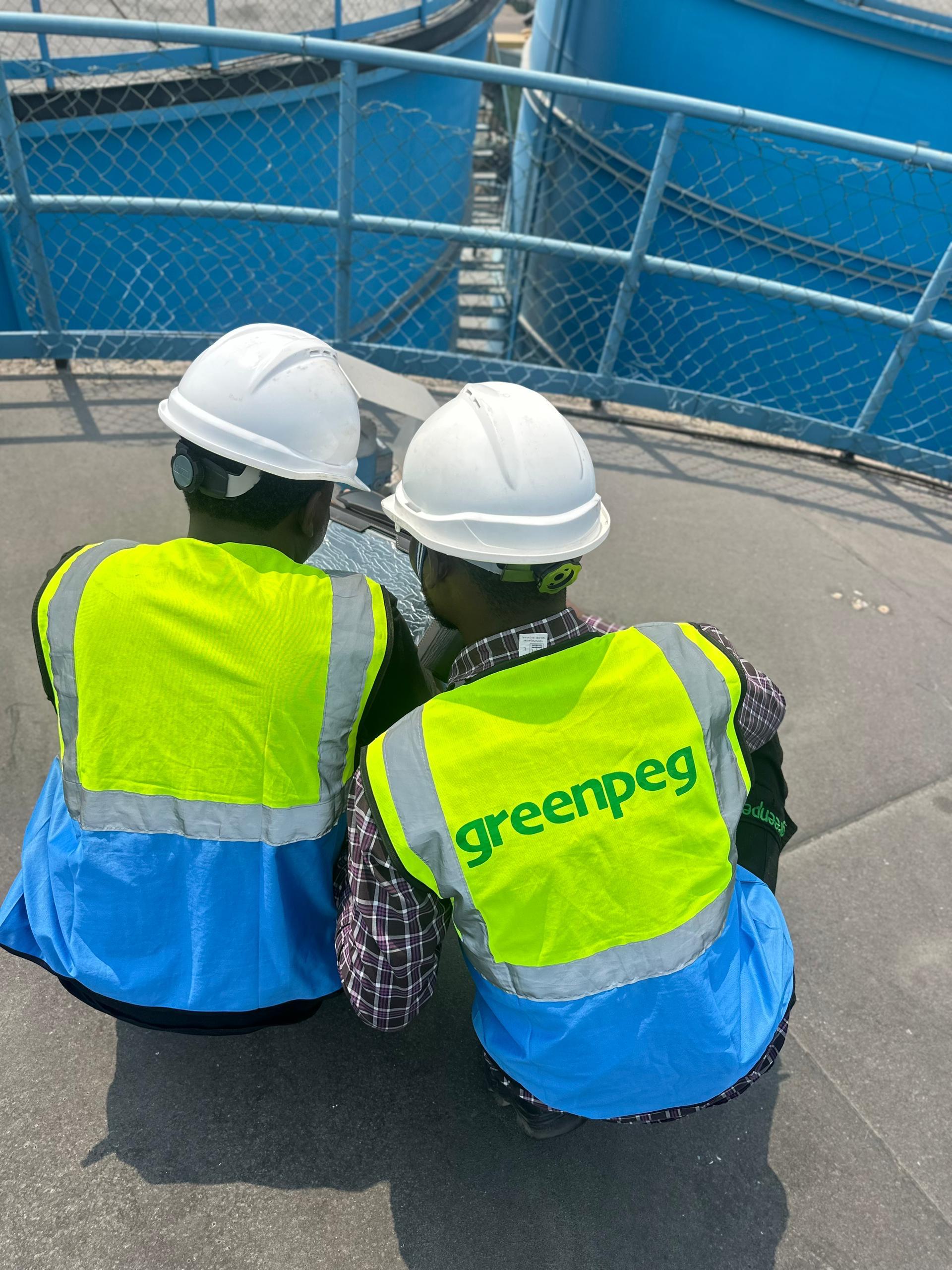
The cost of upgrading refinery plants in Nigeria goes far beyond purchasing new equipment. For refinery operators facing aging infrastructure, energy inefficiencies, and stricter regulatory standards, modernization has become a strategic necessity, but understanding the true cost requires a deeper engineering perspective.
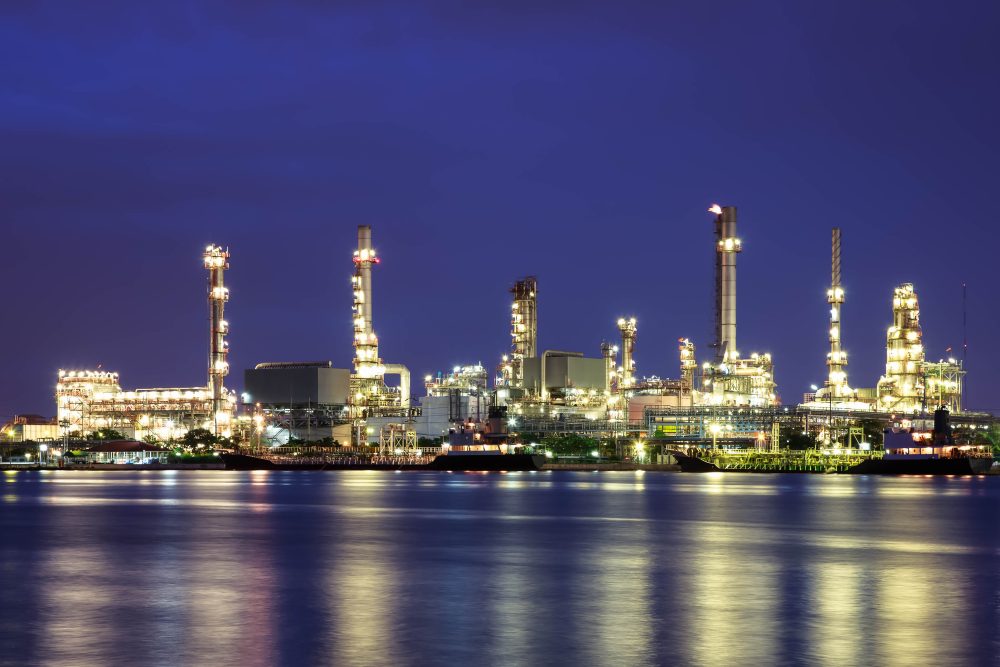
Oil refinery in nigeria
But one question dominates boardroom discussions:
What is the real cost of upgrading a refinery plant in Nigeria?
The answer goes far beyond equipment pricing.
1. The Visible Cost: Equipment and Technology
Most refinery upgrade budgets begin with capital expenditure on:
-
Process control systems
-
PLC and DCS upgrades
-
Flow, pressure, and temperature instrumentation
-
Safety systems (SIS)
-
Power distribution and motor control centres
-
Industrial drives and automation panels
High-performance technologies from global OEMs such as Siemens and Endress+Hauser are often selected to improve accuracy, reliability, and compliance.

However, hardware alone does not determine total project cost.
2. The Hidden Cost: Integration and Engineering Complexity
Many refinery upgrade projects exceed budget because integration is underestimated.
Common cost escalators include:
-
Compatibility issues with legacy systems
-
Incomplete site audits
-
Reconfiguration of existing cabling and panels
-
Process downtime during migration
-
Inadequate load analysis
-
Insufficient documentation of existing assets
Without structured engineering planning, modernization efforts can disrupt production and delay ROI.
3. The Operational Cost: Downtime and Lost Throughput
In refinery environments, downtime is expensive.
Every hour of shutdown affects:
-
Production output
-
Revenue flow
-
Supply chain commitments
-
Regulatory obligations
Upgrades must therefore be engineered to minimize operational disruption while ensuring long-term system stability.
This requires detailed pre-upgrade audits, simulation, risk assessment, and phased execution strategies.
4. The Strategic Cost: Getting It Wrong
The most expensive refinery upgrade is not the one with the highest budget.
It is the one that:
-
Fails to improve efficiency
-
Introduces instability
-
Requires repeated rework
-
Delays commissioning
-
Under-delivers on ROI
Successful refinery modernization in Nigeria demands more than procurement — it requires engineering clarity before execution.
How Greenpeg Supports Refinery Upgrades in Nigeria
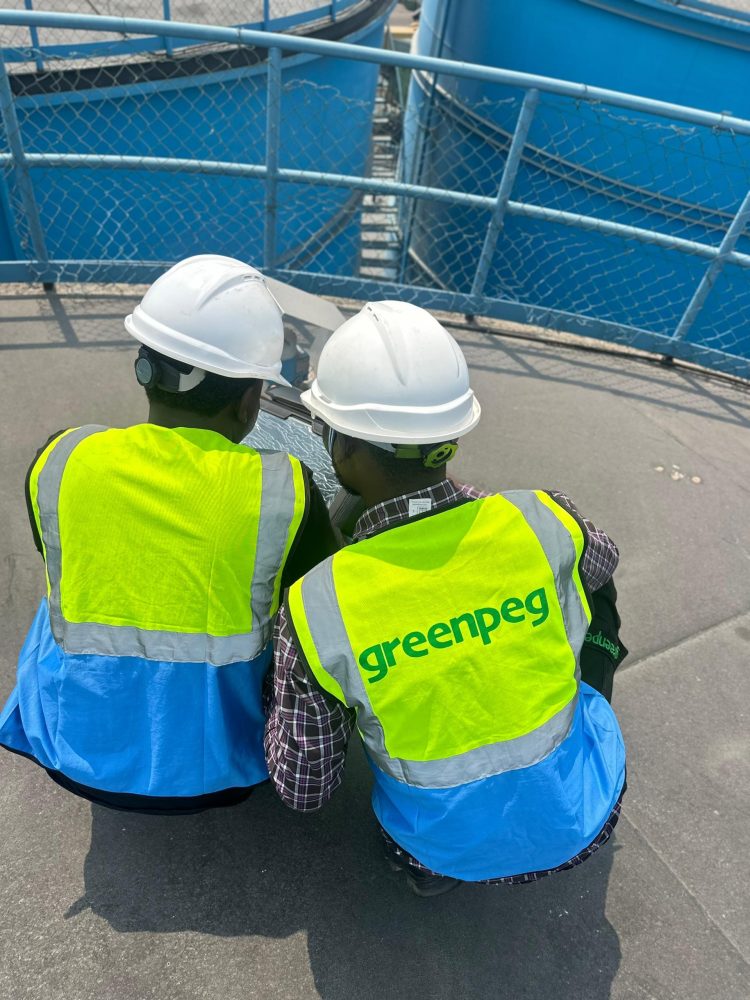
Greenpeg Engineering provides structured support for refinery automation, instrumentation, and power system upgrades across Nigeria.
Our approach includes:
-
Comprehensive technical audits
-
Instrumentation verification and calibration
-
Load and capacity analysis
-
Automation system design
-
OEM-backed equipment integration
-
Commissioning and lifecycle support
By partnering early in the planning phase, we help refinery operators:
-
Reduce project risk
-
Control upgrade costs
-
Minimize downtime
-
Improve measurement accuracy
-
Strengthen regulatory compliance
-
Maximize long-term ROI
Final Insight
The cost of upgrading a refinery plant in Nigeria is not defined by equipment alone.
It is determined by:
-
Engineering strategy
-
Integration planning
-
Risk mitigation
-
Execution discipline
When properly structured, modernization is not an expense — it is a performance investment.
For refinery operators seeking reliable automation, instrumentation, and power solutions, Greenpeg remains a trusted engineering partner ready to support the next phase of industrial growth in Nigeria.